Senior Class of 23 Man: A Comprehensive Guide to Designing and Producing Custom Commemorative Items
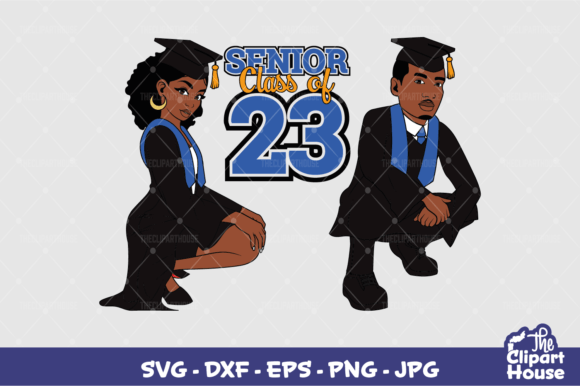
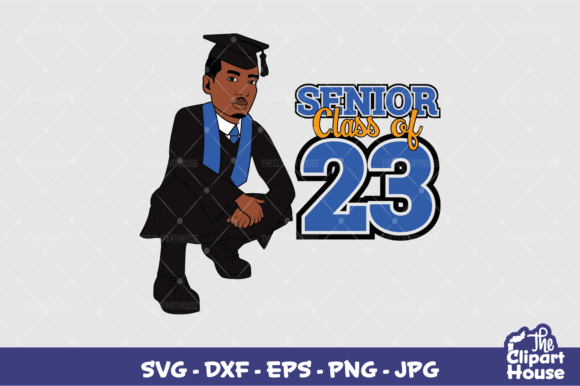
The transition from high school to the next chapter of life is a milestone that deserves to be celebrated with style, sentiment, and individuality. For the graduating class of 2023, particularly those identifying with the "Man" demographic or creating gear for male graduates, the demand for personalized merchandise has skyrocketed. This surge is driven not only by students seeking unique keepsakes but also by entrepreneurs and crafters looking to capitalize on the graduation season market. Central to this trend is the phrase Senior Class of 23 Man, which serves as both a specific design motif and a broader category of customizable apparel and accessories.
Creating these items requires more than just a graphic idea; it demands technical proficiency with digital design files and an understanding of various printing methods. Whether you are a professional print-on-demand business owner, a stay-at-home parent crafting gifts for your child’s friends, or a small business owner expanding your product line, understanding the nuances of SVG, PNG, and other file formats is crucial. This guide explores the practical applications, technical requirements, and creative possibilities surrounding Senior Class of 23 Man designs compatible with cutting machines like Cricut and Silhouette.
The Technical Foundation: Understanding Digital Cut Files
Before any physical production can begin, the digital asset must be prepared correctly. The success of a cut-file project relies heavily on the format in which the design is delivered. When sourcing or creating a Senior Class of 23 Man design, creators typically encounter a suite of file types designed for different purposes. While the visual representation (JPEG/PNG) is useful for previewing, the actual production relies on vector-based formats.
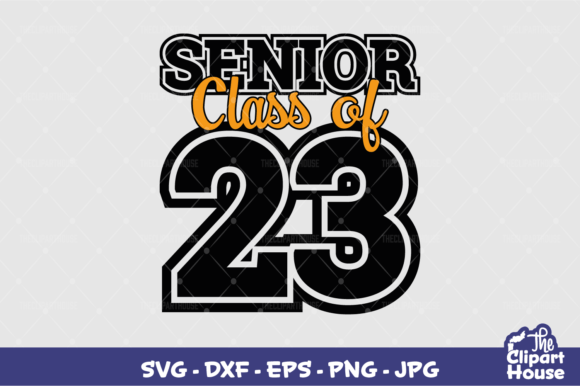
SVG (Scalable Vector Graphics) is the industry standard for electronic cutting machines. Unlike raster images, which are made of pixels and lose quality when resized, SVGs are mathematical representations of shapes. This allows the design to be scaled up to a billboard size or down to a tiny sticker without any loss of clarity. For users of Cricut Design Space or Silhouette Studio, the SVG file is the primary input. It contains separate layers and paths, allowing the machine to cut intricate details, such as the serifs in "Class of 23" or the contours of a silhouette, with precision.
In addition to SVG, professionals often require EPS (Encapsulated PostScript) and DXF (Drawing Exchange Format) files. EPS files are essential for designers using Adobe Illustrator or CorelDRAW, offering robust vector data that can be further manipulated before being sent to a cutter. DXF files, originally developed by Autodesk, are widely supported by various CAD software and some older cutting machine interfaces, making them a versatile backup option for complex engineering-style graphics or text-heavy layouts.
For non-cutting applications, such as direct-to-garment printing or digital invitations, PNG and JPEG files are indispensable. A high-resolution PNG with a transparent background is particularly valuable for heat transfer vinyl (HTV) projects where color blocking is required, or for sublimation printing where the image needs to overlay seamlessly onto a substrate. Having access to all five formats—SVG, PNG, JPEG, EPS, and DXF—ensures that the designer can adapt to any workflow, whether it involves a household Cricut Maker, a commercial Graphtec plotter, or a large-format printer.
Material Compatibility and Printing Techniques
Once the correct file is selected, the next step is choosing the appropriate material and application method. The versatility of the Senior Class of 23 Man design allows it to be applied across a wide spectrum of mediums, each requiring specific preparation techniques.
Heat Transfer Vinyl (HTV) and Iron-On Applications
The most common use case for these designs is clothing customization. HTV involves cutting colored vinyl sheets using a machine and then heat-pressing them onto fabrics. For a masculine aesthetic, popular colors include navy blue, charcoal gray, black, forest green, and burgundy. The process begins with weeding—the removal of excess vinyl around the design lines. Because the Senior Class of 23 Man typography often includes fine details, precise weeding is critical to maintain legibility. Once weeded, the design is transferred to t-shirts, hoodies, caps, or tote bags using a heat press or a household iron. This method is durable, wash-resistant, and ideal for bulk orders for sports teams or fraternity chapters.
Sticker Production and Adhesive Vinyl
Beyond apparel, stickers have become a ubiquitous form of self-expression. Using adhesive vinyl rather than HTV, the same vector file can be cut into decals for water bottles, laptops, car windows, and phone cases. This technique is favored by hobbyists because it does not require heat, only pressure. The resulting product is waterproof and resistant to UV fading, making it suitable for outdoor use. Creators often layer different colors of vinyl to create multi-colored stickers, adding depth to the classic "Class of 23" layout.
Sublimation and Direct-to-Film
For full-color designs that incorporate gradients, photographs, or complex illustrations alongside the text, sublimation is the superior choice. This process involves printing the design onto special transfer paper using dye-sublimation ink, then applying heat and pressure to bond the ink into polyester-based materials. Sublimation is permanent and will not crack or peel, unlike some vinyl applications. It is particularly effective for creating custom jerseys, mouse pads, and ceramic mugs. Additionally, Direct-to-Film (DTF) technology allows for vibrant prints on cotton and dark fabrics, bridging the gap between the simplicity of vinyl and the complexity of screen printing.
Diverse Use Cases and Market Opportunities
The appeal of a Senior Class of 23 Man design extends far beyond simple apparel. Its adaptability makes it a valuable asset for various industries and personal projects.
- Party Supplies and Invitations: Digital PNG files can be used to create custom invitations for graduation parties. These can be printed at home or sent to professional printers for high-quality cardstock results. Matching decorations, such as banners and cupcake toppers, can also be generated from the same design source, ensuring a cohesive theme.
- Business and Stationery: Entrepreneurs who graduated in 2023 might use the design on business cards, letterheads, or email signatures to mark their professional debut. The clean lines of vector designs ensure they look sharp even at small sizes.
- Jewelry and Accessories: Intricate SVG files can be used with laser cutters to create wooden pendants, acrylic keychains, or metal charms. These small-scale applications highlight the precision of the digital file, turning a simple date into a wearable piece of art.
- Website and Branding Assets: Web designers can utilize the SVG code directly in HTML/CSS for responsive logos or headers. Because SVGs are lightweight and scale infinitely, they provide an excellent user experience across different device screens.
Workflow Considerations for Creators
Successfully producing these items requires a streamlined workflow. The first step is always extracting the downloaded files using a zip program, as most digital products are compressed to save space and facilitate faster downloads. Once extracted, designers should open the SVG in their preferred software to check for node accuracy and layer organization. In Cricut Design Space, it is advisable to "Weld" overlapping elements to prevent cutting errors, while in Silhouette Studio, grouping similar elements can speed up the cutting process.
Mirror imaging is another critical consideration. For HTV and sublimation, the design must be mirrored horizontally before cutting or printing so that it appears correctly when transferred to the final surface. Failure to mirror the image will result in reversed text, rendering the "Class of 23" message unreadable. Testing cuts on scrap material are also recommended to calibrate blade depth and pressure settings, especially when working with new types of vinyl or thicker substrates.
Conclusion
The creation of Senior Class of 23 Man merchandise represents a intersection of nostalgia, technical skill, and creative expression. By leveraging the power of vector graphics and modern cutting technologies, creators can produce high-quality, personalized items that resonate deeply with graduates. Whether through the tactile satisfaction of weeding vinyl or the digital precision of sublimation, the ability to transform a simple concept into a tangible keepsake offers immense value. As the tools continue to evolve, the potential for innovation in this niche remains vast, inviting both seasoned professionals and enthusiastic hobbyists to explore the endless possibilities of custom design.