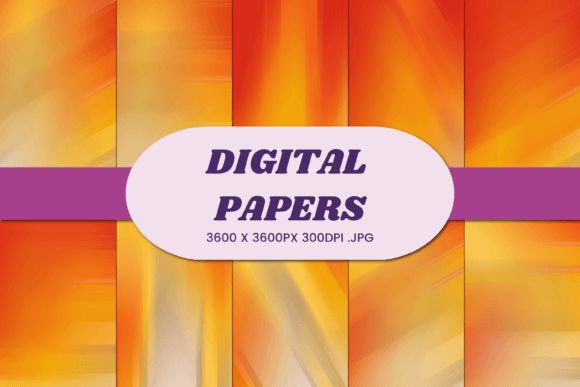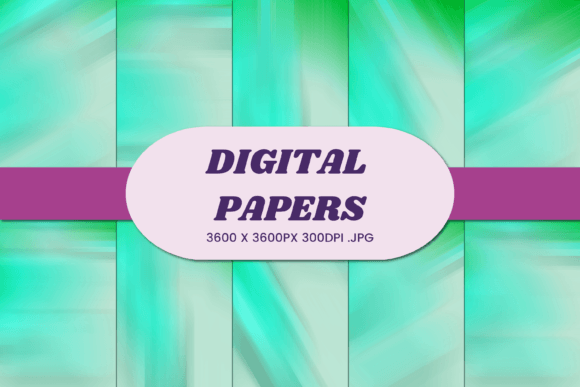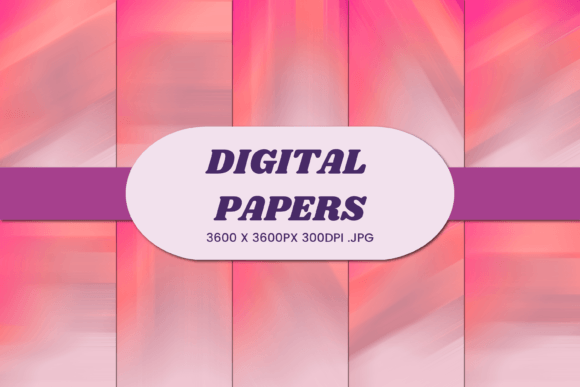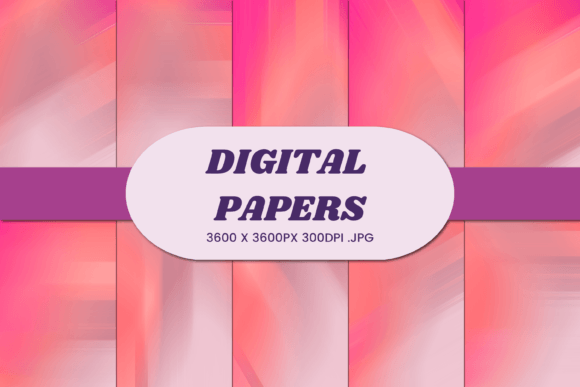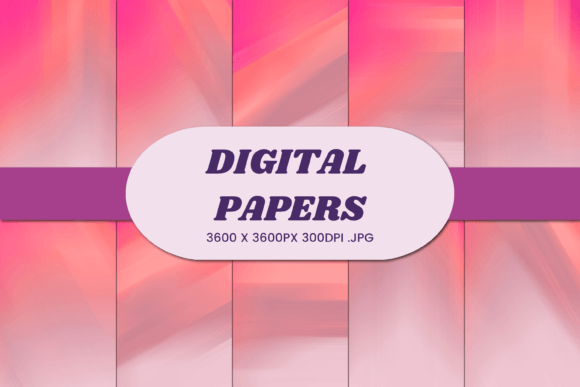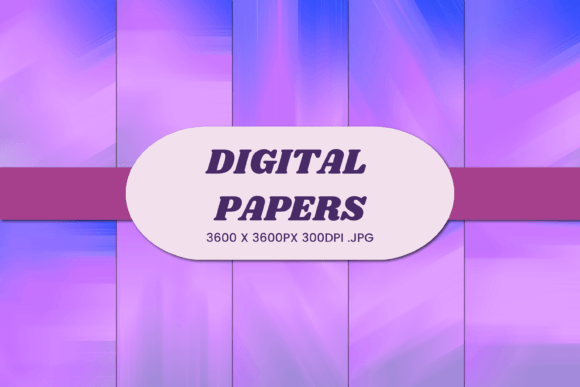
Retro Vintage Abstract 10 Digital Paper
There is a specific kind of magic in the way vintage textures interact with modern design. It isn’t just about nostalgia; it’s about adding depth, history, and a tactile feel to digital spaces that often feel too clean or sterile. If you are looking to inject some soul into your creative projects, the Retro Vintage Abstract 10 Digital Paper bundle offers a compelling solution. This collection isn’t merely a set of background images; it is a toolkit for designers, entrepreneurs, and hobbyists who want their work to stand out through authentic, textured aesthetics.
At its core, this bundle provides ten high-resolution JPG files, each sized at 3600×3600 pixels (12x12 inches) with a crisp 300 DPI resolution. While those technical specifications are important for ensuring quality, the real value lies in how versatile these abstract patterns are. They bridge the gap between retro charm and contemporary utility, making them suitable for a wide array of applications beyond simple web backgrounds.
Transforming Everyday Products with Texture
One of the most immediate ways to utilize these papers is through print-on-demand products. The global market for custom merchandise is booming, and consumers are increasingly drawn to items that feel unique and handcrafted, even if they are mass-produced. When you apply a vintage abstract texture to a t-shirt, the fabric doesn’t just display a graphic; it gains a layer of visual complexity that mimics aged paper, worn paint, or distressed concrete.
Consider the difference between a flat, solid-color design and one overlaid with subtle grunge or grain. The latter invites the eye to linger. For entrepreneurs selling on platforms like Etsy or Redbubble, using the Retro Vintage Abstract 10 Digital Paper can be a strategic move. It allows you to create cohesive collections for mugs, phone cases, and pillows without needing to illustrate every single element from scratch. A minimalist quote paired with a rich, textured background looks infinitely more premium than the same quote on a plain white canvas.
Stickers are another area where these papers shine. Sticker art has become a form of personal expression, often used to decorate laptops, water bottles, and journals. By incorporating vintage abstract elements, you can create sticker sheets that feel like collectible artifacts rather than generic decals. The high resolution ensures that when these designs are printed, the edges remain sharp, and the texture remains visible even at small scales.
Elevating Brand Identity and Packaging
For small business owners, packaging is often the first physical touchpoint a customer has with their brand. In an era where unboxing experiences are shared widely on social media, the visual appeal of product packaging matters immensely. Using these digital papers for product labels, box interiors, or wrapping paper can instantly elevate a brand’s perceived value.
Imagine a boutique coffee roaster using one of these abstract vintage textures as the backdrop for their bag label. The texture suggests artisanal quality and tradition, reinforcing the message that the coffee inside is crafted with care. Similarly, a skincare brand might use a softer, more organic variation from the bundle to convey natural ingredients and gentle formulations. The key here is alignment: choosing the right abstract pattern to match the emotional tone of your product.
Beyond packaging, these papers are excellent for creating consistent visual identities across various marketing materials. Business cards, letterheads, and brochures benefit greatly from textured backgrounds. A standard white business card is easily forgotten, but one with a subtle vintage abstract texture feels substantial and memorable. It signals attention to detail and a commitment to quality before the recipient even reads the contact information.
Digital Spaces and Social Media Presence
In the digital realm, scrolling fatigue is real. Users encounter thousands of posts daily, and bland, uniform designs often get overlooked. Incorporating the Retro Vintage Abstract 10 Digital Paper into social media graphics can help break the monotony. Whether you are designing Instagram stories, Pinterest pins, or Facebook cover photos, these textures add a layer of sophistication that plain colors cannot achieve.
Bloggers and content creators can also leverage these assets. Blog headers, featured images, and sidebar widgets can be enhanced with these backgrounds to create a more immersive reading experience. For instance, a travel blog featuring destinations with historical significance could pair its content with vintage textures that evoke the eras being discussed. This thematic consistency helps build a stronger connection with the audience.
Furthermore, these papers are ideal for creating digital invitations and printables. Wedding invitations, baby shower cards, and event flyers often rely on typography and layout. A vintage abstract background provides a perfect stage for elegant fonts, allowing the text to pop while maintaining an overall aesthetic harmony. The 300 DPI resolution ensures that whether these files are viewed on a smartphone screen or printed on high-quality cardstock, they retain their clarity and impact.
Technical Considerations and Best Practices
While the Retro Vintage Abstract 10 Digital Paper bundle is robust, getting the best results requires a bit of know-how. The 12x12 inch size at 300 DPI is a standard industry size for scrapbooking and many print applications, but it is crucial to consider how you will use the files in different contexts.
When designing for large-format prints, such as banners or wall murals, ensure that your design software handles the resolution correctly. Although the source files are high-quality, stretching them too far without considering the aspect ratio can lead to pixelation. Always maintain the original proportions or scale appropriately within your design program.
Color management is another critical factor. Vintage textures often contain subtle variations in hue and saturation that can look different on various screens. Before finalizing a print job, always proof your designs. What looks warm and inviting on a calibrated monitor might appear slightly cooler on a printer’s output. Adjusting contrast and brightness levels to suit the specific medium—whether it’s sublimation onto a mug or inkjet printing on paper—can make a significant difference in the final outcome.
Additionally, think about layering. These abstract papers are most effective when used as a base layer. Experiment with blending modes in your editing software. Overlaying a texture with a "Multiply" or "Overlay" mode can integrate it seamlessly with other design elements, creating a unified look rather than a slapped-on appearance. This technique is particularly useful when combining multiple textures or integrating photography with graphic elements.
Who Benefits Most?
This bundle is particularly well-suited for freelance graphic designers looking to expand their asset library quickly. It saves time that would otherwise be spent sourcing or creating textures from scratch. For DIY enthusiasts, it offers a professional-grade finish for home decor projects, such as creating custom wallpaper samples or textured frames. Even educators can find uses for these papers in creating engaging classroom materials or digital worksheets that feel less clinical and more approachable.
The versatility of the Retro Vintage Abstract 10 Digital Paper makes it a valuable addition to any creative workflow. It addresses the common desire for authenticity in a digital world, providing tools that help users tell richer, more textured stories through their designs. Whether you are launching a new brand, refreshing your online presence, or simply wanting to add a touch of retro flair to your next project, these papers offer a practical and aesthetically pleasing solution.
By focusing on real-world applications—from tangible products to digital interfaces—you can maximize the return on this investment. The key is to experiment, layer, and let the textures guide the narrative of your design. In doing so, you transform simple backgrounds into powerful visual statements that resonate with audiences on a deeper level.