March Girl
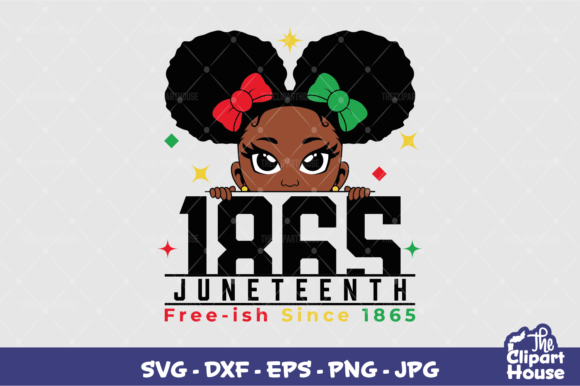
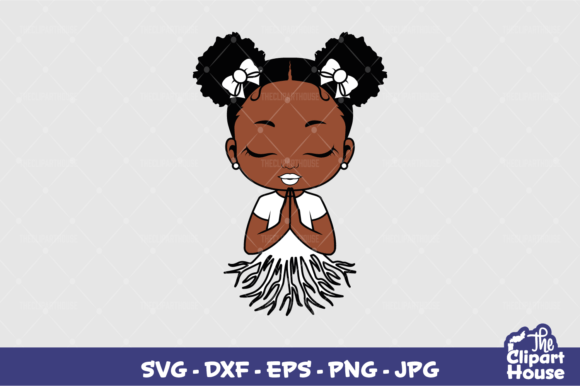
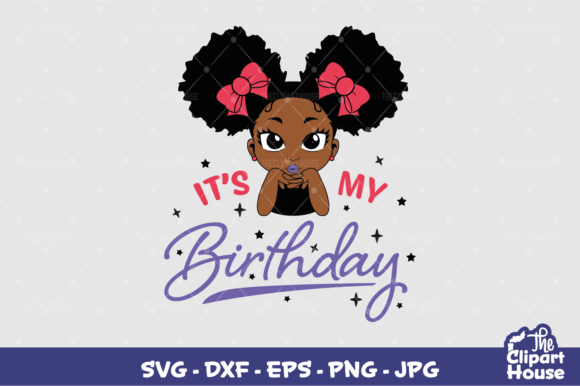
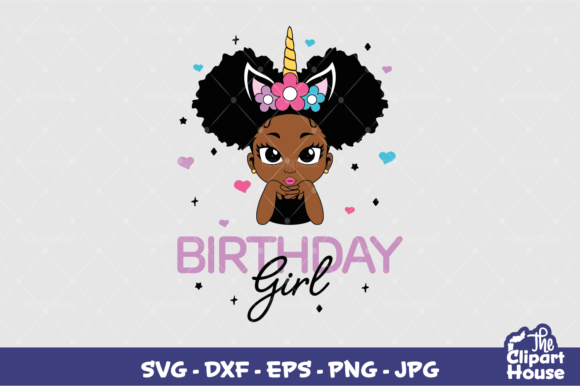
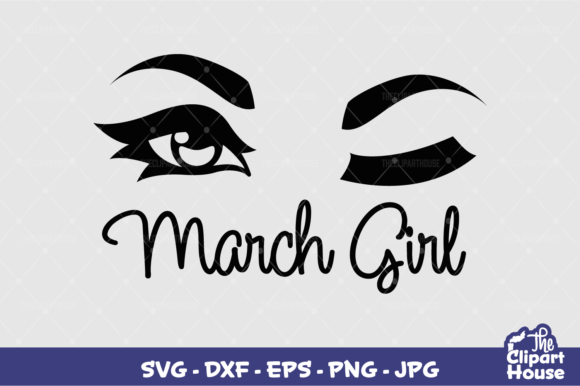
In the realm of digital crafting and small business operations, having a versatile, high-quality asset is not just a convenience—it is a necessity. The March Girl design serves as a pivotal element for creators who need to move quickly from concept to physical product. Whether you are preparing for seasonal marketing campaigns, creating personalized gifts, or updating your own wardrobe with thematic apparel, this specific design offers a robust solution that bridges the gap between digital files and tangible outcomes.
The core value of the March Girl graphic lies in its adaptability. It is not merely an image; it is a multi-format resource package designed to integrate seamlessly into various workflows involving cutting machines like Cricut and Silhouette, as well as standard print-on-demand services. For professionals and hobbyists alike, understanding how to leverage these different file types can significantly reduce production time and increase the quality of the final output. This article explores how to effectively utilize the March Girl assets across different platforms, ensuring that your creative projects run smoothly from initial download to final installation.
Understanding the Asset Package
When purchasing or downloading a digital design such as March Girl, what you receive is often a compressed bundle containing multiple formats. Each format serves a distinct purpose within the broader ecosystem of digital creation and printing. Recognizing which file to use when is the first step in optimizing your workflow.
- SVG (Scalable Vector Graphics): This is the primary format for users of electronic cutting machines. SVGs are vector-based, meaning they can be scaled to any size without losing resolution. This is crucial for designs that need to be cut from vinyl, cardstock, or heat transfer material. When using software like Cricut Design Space or Silhouette Studio, the SVG allows you to manipulate individual elements, resize for different garments, and prepare precise cut lines.
- PNG (Portable Network Graphics): PNG files are raster images with transparent backgrounds. They are ideal for sublimation printing, direct-to-garment printing, or adding text overlays in graphic design software. If you are designing invitations, social media graphics, or stickers where color gradients and opacity matter, the PNG is your go-to format.
- JPEG (Joint Photographic Experts Group): Similar to PNG but typically smaller in file size and often lacking transparency unless edited. JPEGs are useful for quick previews, web usage, or simple printing tasks where a background is acceptable or desired.
- EPS (Encapsulated PostScript): Another vector format widely supported by professional design software like Adobe Illustrator and InDesign. EPS files are excellent for large-scale printing, such as banners or signage, where extreme scalability is required.
- DXF (Drawing Exchange Format): Primarily used in architectural and engineering software, DXF files can also be imported into some cutting machine software if the native SVG import fails. It ensures compatibility across a wider range of technical tools.
To access these files, you will need a zip program or similar extraction tool. Once extracted, organizing these files into a dedicated project folder is essential for maintaining efficiency. A cluttered workspace leads to errors, such as uploading the wrong file type to a cutting machine or using a low-resolution image for a large print job.
Integration with Cutting Machines
For crafters using Cricut, Silhouette, or similar devices, the March Girl SVG is the cornerstone of production. The process begins with importing the SVG into your design software. Because it is a vector file, you should check the layers before proceeding. Complex designs may have overlapping shapes that need to be separated or grouped correctly to ensure clean cuts.
When preparing the design for heat transfer vinyl (HTV) or iron-on materials, mirroring the image is a critical step. Most cutting machines require the design to be mirrored horizontally so that when it is pressed onto fabric, the text and graphics appear correctly oriented. Failure to mirror the image results in backward text, a common error that wastes materials and time.
Consider the scale of your project. If you are making a child’s t-shirt, the March Girl design might be sized to 6–8 inches. For an adult hoodie or a tote bag, scaling up to 10–12 inches may be more appropriate. The vector nature of the SVG ensures that these size changes do not degrade image quality. Always perform a "weed" test on a small piece of scrap material if you are trying a new type of vinyl or a complex layering technique. This helps identify potential issues with adhesion or cut depth before committing to the final product.
Applications Beyond Cutting: Stickers and Stationery
The versatility of the March Girl assets extends well beyond clothing. The PNG and JPEG files are particularly valuable for creating custom stationery, party supplies, and business cards. For instance, if you are hosting a themed event in March, such as a birthday party or a corporate retreat, these files can be integrated into invitation templates.
Using the PNG with its transparent background allows you to place the March Girl graphic over any background color or pattern in programs like Canva, Photoshop, or Microsoft Publisher. This flexibility enables you to maintain brand consistency while adding a festive touch. For sticker makers, the PNG is often printed directly onto adhesive vinyl sheets using an inkjet or laser printer. After printing, a laminate layer is applied to protect the ink, and then the stickers are cut using a die-cutting machine or hand-cut with precision scissors.
In the context of small business branding, incorporating seasonal themes like March Girl into your visual identity can boost engagement. Use the design on packaging inserts, thank-you notes, or social media headers. Consistency in visual elements helps build recognition, and having ready-made, high-quality assets means you can pivot quickly to capitalize on seasonal trends without spending hours creating original artwork.
Workflow Optimization and Quality Control
Efficiency in creative work comes down to preparation and organization. Before starting any project involving the March Girl files, establish a clear workflow. Start by deciding on the end product. Are you making a single gift item, or are you producing a batch of ten identical shirts? Batch processing requires strict adherence to settings—cut pressure, speed, and blade depth must remain consistent across all iterations.
Quality control is another vital aspect. Always inspect your digital files before sending them to a printer or cutter. Zoom in on the PNG or SVG to check for pixelation or jagged edges. For vector files, ensure that all paths are closed and that there are no stray nodes that could cause cutting errors. If you are using the EPS file for large format printing, verify that the color mode is set to CMYK rather than RGB to avoid unexpected color shifts in the final print.
Furthermore, consider the longevity of your digital assets. Save your customized versions of the March Girl design in your preferred software format (e.g., .crdt for Cricut, .stdx for Silhouette). This preserves your edits, such as added text or resized elements, allowing you to reuse the design for future projects without starting from scratch. This practice not only saves time but also ensures consistency across multiple seasons or years.
Expanding Creative Possibilities
The March Girl design is not limited to traditional crafts. Entrepreneurs can use these assets to create unique jewelry tags, embossed leather goods, or even digital products. For example, you can incorporate the PNG into a digital planner or journal template sold on platforms like Etsy. The ease of integration into various digital workflows makes it a valuable resource for content creators and educators as well.
Educators might use the design in classroom materials, such as certificates, bulletin board decorations, or student awards. The ability to print the design on standard paper or cardstock allows for easy distribution and customization. By leveraging the different file formats, teachers can create engaging, visually appealing materials that resonate with students during the spring season.
In conclusion, the March Girl asset pack is more than just a decorative image; it is a functional tool designed to streamline the creative process. By understanding the strengths of each file format—SVG for cutting, PNG for digital design, and EPS for professional printing—you can maximize the utility of your purchase. Whether you are a seasoned professional managing a small business or a hobbyist exploring new crafts, integrating these assets into your workflow can enhance productivity, improve output quality, and add a personal touch to your projects. Take the time to organize your files, test your settings, and experiment with different applications to fully realize the potential of the March Girl design in your creative endeavors.