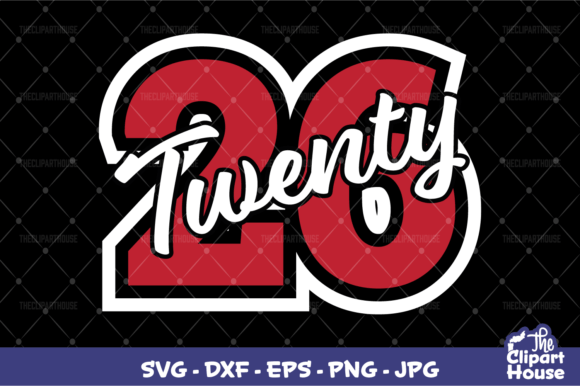
2026: Your Ultimate Guide to Cutting Machine Projects and Instant Digital Downloads
As we look toward the future of crafting, 2026 represents more than just a date on the calendar; it signifies a new era of digital creativity, precision, and personalized expression. Whether you are a seasoned crafter with a Cricut or Silhouette machine in your studio, or a small business owner looking to scale your product line, the ability to create high-quality, custom designs is paramount. The concept of "2026" in this context embodies the forward-thinking approach to design—embracing modern aesthetics, sustainable practices, and the seamless integration of digital files into physical products.
If you are searching for ways to enhance your crafting workflow, streamline your business operations, or simply add a personal touch to your upcoming projects, understanding how to leverage instant downloadable files is key. This guide explores how you can utilize versatile design formats to create everything from heat transfer clothing to intricate jewelry, ensuring your 2026 goals are met with efficiency and style.
Why Versatile File Formats Matter for Modern Crafters
In the world of digital cutting machines, not all files are created equal. One of the biggest challenges crafters face is compatibility. You might find a stunning design online, only to discover it is in a format that your specific software cannot read. This friction can halt creativity and waste valuable time. To solve this, comprehensive design packages now offer multi-format support, ensuring that no matter what hardware you use, you can bring your vision to life.
When you acquire a design package tailored for 2026 trends, you are typically receiving a suite of files designed to work across various platforms. This versatility allows you to switch between different types of projects without needing to purchase separate assets for each medium. For instance, a single design theme can be adapted for a vinyl sticker, an iron-on t-shirt, or a delicate paper cutout, provided you have the correct file extensions.
The Core Files You Need to Know
To help you navigate the technical side of crafting, here is a breakdown of the essential file types included in premium instant download packages:
- SVG (Scalable Vector Graphics): This is the gold standard for cutting machines like Cricut Design Space and Silhouette Studio. SVGs are vector-based, meaning they can be resized infinitely without losing quality. They contain the mathematical data the machine needs to know exactly where to cut, draw, or score.
- PNG (Portable Network Graphics): Ideal for printing and heat transfer vinyl (HTV). PNGs support transparency, which is crucial when layering colors for t-shirts or mugs. High-resolution PNGs ensure your printed designs remain crisp and clear.
- JPEG (Joint Photographic Experts Group): A universal image format perfect for general viewing, web use, or as a reference image while you work. It is widely supported by almost all devices and software.
- EPS (Encapsulated PostScript): Often used in professional graphic design software like Adobe Illustrator. EPS files are another vector format that offers robust editing capabilities for advanced users who need to modify complex shapes.
- DXF (Drawing Exchange Format): Similar to SVG, DXF is a vector format compatible with many CAD programs and some cutting machine software. It is particularly useful if you are working with laser cutters or plotters alongside your electronic cutter.
Unlocking Creative Potential: Practical Applications
With access to these diverse file types, the applications for your 2026 projects are nearly limitless. Let’s explore how different users can apply these resources to achieve their specific goals.
Apparel and Wearables
One of the most popular uses for cutting machine files is creating custom apparel. Using the PNG and SVG files, you can design unique heat transfer prints for t-shirts, hoodies, and tote bags. For example, a minimalist geometric pattern downloaded in 2026 can be layered with different colored HTV to create a textured, professional-looking garment. The transparency of the PNG ensures that background elements do not accidentally print over your design, saving you from tedious weeding processes.
Tip: Always check the resolution of your PNG files before printing. For large garments, a higher pixel count ensures the design does not appear pixelated or blurry after ironing.
Stationery and Paper Crafts
If you enjoy paper crafting, the SVG and DXF files are indispensable. These formats allow for precise scoring and folding lines, enabling you to create intricate 3D cards, pop-up invitations, and elaborate stationery sets. Imagine designing a wedding invitation suite where the envelope liner matches the inner card design perfectly. By using the vector data, your machine cuts the paper with millimeter precision, resulting in a polished, boutique-quality product.
Furthermore, JPEG files can be used as decorative elements within your paper designs. You can print these images on specialty papers, such as watercolor or metallic stock, and adhere them to your cards for added visual interest.
Business Branding and Marketing
For entrepreneurs, consistency is vital. Having a library of versatile design files allows you to maintain a cohesive brand identity across multiple touchpoints. Use the SVG files to cut vinyl decals for your laptop or car, the PNG files for social media graphics, and the EPS files for professional logo adjustments in design software.
Consider creating branded party supplies for client events. Custom stickers, business cards, and thank-you notes featuring your logo can be produced quickly and affordably using your home cutting machine. This level of customization helps build a stronger connection with your customers and elevates your brand perception.
Jewelry and Accessories
Smaller-scale projects also benefit from precise digital files. The DXF and SVG formats are excellent for designing jewelry components, such as pendants or earring backs, especially if you are using a laser cutter or a fine-point blade on your electronic cutter. You can create intricate filigree patterns that would be difficult to achieve by hand, allowing you to produce lightweight yet durable accessories.
How to Get Started with Your Download
Once you have purchased or downloaded your design package, the first step is organization. Since you will receive multiple file types, it is helpful to create a dedicated folder on your computer named after the project or the year, such as "2026_Craft_Pack."
Step 1: Extract the Files
You will receive a compressed archive. To access the individual SVG, PNG, JPEG, EPS, and DXF files, you will need a zip program or similar extraction tool. Most modern operating systems have built-in tools, but third-party software like WinRAR or 7-Zip can also be used. Simply right-click the downloaded file and select "Extract All."
Step 2: Choose Your Software
Depending on your machine, open the appropriate file type. If you are using Cricut Design Space, import the SVG file. If you are using Silhouette Studio, both SVG and DXF files work well. For printing designs onto heat transfer vinyl, upload the PNG file into your printer driver settings.
Step 3: Test Before You Commit
Before cutting expensive materials like genuine leather or premium vinyl, always run a test cut on scrap material. This ensures your blade depth and speed settings are correct for the specific medium you are using.
Embracing the Future of Crafting
The transition to digital design has democratized creativity, allowing anyone with a cutting machine to produce professional-grade results. By focusing on practical solutions and utilizing the full range of available file formats, you can tackle a wider variety of projects with confidence. Whether you are preparing for the holidays, launching a new product line, or simply exploring a new hobby, the resources available in 2026 empower you to turn ideas into reality.
Remember that the key to success lies in preparation and adaptability. Keep your software updated, organize your digital assets efficiently, and experiment with different materials. As technology continues to evolve, so too will the possibilities for what you can create. Embrace the convenience of instant downloads and the precision of cutting machines, and watch your creative potential soar in 2026 and beyond.